Underground Mining Drilling Rigs
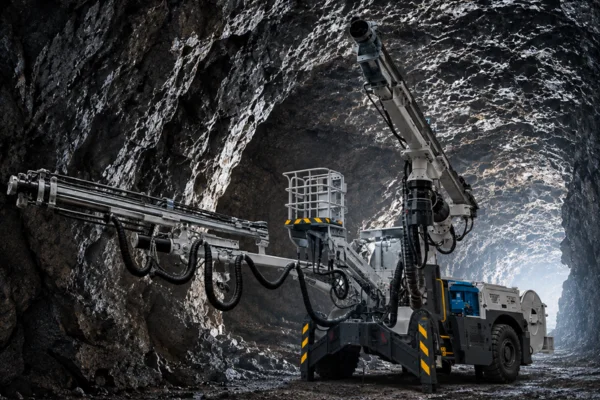
Underground mining drilling rigs are designed for drilling in tunnels, headings and mine workings where space, rock conditions and equipment movement directly affect machine selection. Riggers International supplies underground mining drilling rigs for mine development, production drilling, longhole drilling and specialised underground applications. Rig configuration can be selected according to tunnel dimensions, drilling coverage, hole depth and diameter, rock formation and operating requirements.
Types of Underground Mining Drilling Rigs
Different underground drilling operations require different machine configurations and drilling capabilities.
Compact and Narrow-Access Rigs
Suitable for underground areas where machine width, turning space and access routes restrict larger drilling equipment.
Development and Face Drilling Rigs
Used to drill blast-hole patterns for advancing tunnels, drives, crosscuts and other underground development headings.
Longhole Drilling Rigs
Used for longer production holes where accurate drilling angle, depth and positioning are important.
Production Drilling Rigs
Designed for drilling production holes used in underground ore extraction and mining operations.
Low-Profile Drilling Rigs
Designed for mine workings with restricted operating height and limited underground clearance.
Applications of Underground Mining Drilling Rigs
Secondary Rock Breaking
Selected compact drilling equipment can support drilling requirements for breaking oversized rock in underground production areas.
Narrow-Vein Mining
Compact and low-profile configurations can support drilling where underground working dimensions are restricted.
Mine Development
Used for blast-hole drilling during the development of tunnels, drives and underground access routes.
Longhole Mining
Suitable rigs can drill longer holes for selected underground stoping and production methods.
Underground Production Drilling
Supports planned drilling patterns used for ore extraction and production operations.
How to Select an Underground Mining Drilling Rig
Power and Site Infrastructure
Available electrical, hydraulic and other mine infrastructure should be considered when selecting the equipment configuration.
Drilling Application
Development, production and longhole drilling require different rig layouts, feed systems and positioning capabilities.
Mine Dimensions
Working height, tunnel width, turning space and access routes should be checked against the machine dimensions.
Underground Mobility
Machine length, width, height and turning capability should suit movement between underground drilling areas.
Hole Depth and Diameter
Required hole dimensions influence rock drill capacity, feed length, drill rods and drilling-tool selection.
Rock Formation
Rock hardness and abrasiveness affect the drilling system, bit selection and penetration requirements.
Drilling Coverage
The boom and feed arrangement should provide suitable coverage for the required hole pattern and working face.
Features of Underground Mining Drilling Rigs
Actual features vary according to the selected underground rig and drilling application.
- Compact underground machine design
- Hydraulic drilling controls
- Strong boom positioning system
- Controlled feed and pullback
- High-performance rock drilling system
- Multiple drilling-angle capability
- Suitable drilling coverage
- Stable machine positioning
- Practical drill rod handling
- Configurations for restricted mine access
Why Choose Riggers International?
Technical Support
Customers can discuss drilling requirements and underground operating conditions before selecting a suitable rig configuration.
Compact Equipment Configurations
Low-profile and compact machine options can be considered where underground height, width and manoeuvring space are limited.
Project-Specific Machine Configuration
Boom arrangement, feed length, drilling capacity and machine dimensions can be considered according to the mine layout.
Underground Application-Based Selection
Rig requirements can be matched to mine dimensions, drilling application, rock conditions and required hole patterns.
Drilling Tools and Parts Support
Compatible drill rods, bits, drilling components and hydraulic replacement parts can be supplied for suitable equipment.
Development and Production Drilling Options
Equipment configurations can support mine development, production and suitable longhole drilling requirements.
Rock-Condition Matching
Drilling systems, drill rods and tools can be selected according to formation hardness and drilling requirements.
Frequently Asked Questions
1. What is the difference between development and production drilling?
Development drilling creates blast-hole patterns used to advance tunnels and mine workings, while production drilling creates holes used during ore extraction.
2. What is a longhole drilling rig?
A longhole drilling rig is designed to drill longer production holes at required angles and depths for selected underground mining methods.
3. Which rig is suitable for low-height mines?
A low-profile or compact underground rig may be suitable where working height is restricted. Machine height, feed arrangement and drilling coverage should be checked against the mine dimensions.
4. Can underground mining rigs drill hard rock?
Yes. Suitable rigs can be configured with rock drills, bits and drilling systems matched to hard and abrasive formations.
5. Why is drilling coverage important underground?
Drilling coverage determines whether the boom and feed can reach the required hole positions without excessive machine repositioning.
6. What machine dimensions should be checked before purchase?
Check overall height, width, length, turning requirements and operating clearance to ensure the rig can travel and work within the mine.
7. What affects underground mining drilling rig price?
Price depends on drilling capacity, boom and feed configuration, rock drilling system, machine dimensions, hydraulic equipment and additional options.
8. What information is needed before selecting an underground drilling rig?
Provide mine height and width, required drilling application, hole depth and diameter, rock conditions, drilling coverage, access conditions and available site infrastructure.
9. What affects mineral exploration drilling rig price?
Price depends on drilling capacity, drilling method, hydraulic system, mounting type, sampling equipment, drill rods and accessories.
10. What information is needed before buying a mineral exploration rig?
Provide the required drilling method, sample type, target depth, hole diameter, geology, terrain and supporting equipment requirements.